
A history of Now Then since 2008, part one: creating a magazine for Sheffield
As the magazine prepares for a return to print, we look back at its evolution over nearly two decades with two of the people who were there from the beginning.
Our Sheffield-based community media platform, Now Then, recently announced long-awaited plans to return to print later this year. Here on the Opus Blog, we thought we’d look back at the history of the magazine with two of the people who were there from the start (or near enough): magazine editor-in-chief Sam Walby and long-time Opus director and writer Sara Hill.
In part one, I spoke to Sam and Sara about how the magazine got started and putting together those first few issues. In the coming instalments, we’ll look at how Now Then evolved over its initial print run as well as the exciting plans to get back to paper-and-ink later this year.
You were both around when the magazine started. What was Sheffield’s media and cultural landscape like at the time?
Sara: I think the first edition was April 2008 and I got involved in July 2008. So not quite the very beginning, but pretty close. There was a lot going on, and there still is a lot going on. But we were in the midst of, or at the start of, the 2008 financial crash, and I think Sheffield responded really creatively to that. I guess adversity is often a fuel for art, and I think that was definitely true in the case of Sheffield. There were a lot of reasons for independent artists, traders, musicians and venues to really work together in the face of this crisis to try to survive. It was a bit of a mad time to start a business, really!
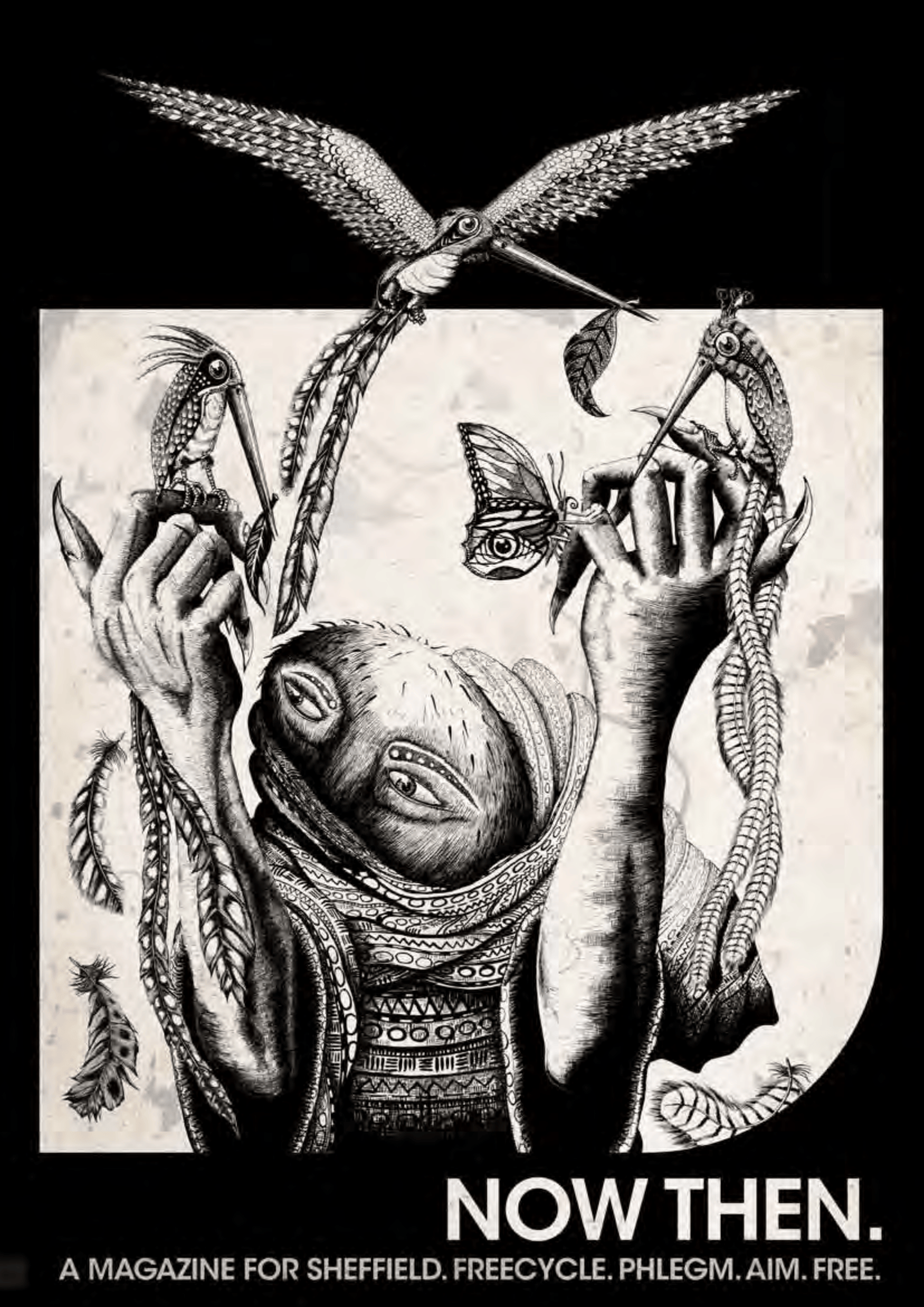
Sam: I did the music interview in the very first issue with Aim, the hip-hop producer. I was writing live reviews, music reviews and interviews for a few months, and then I just gradually took on more editing responsibilities. At the time James [Lock] and Nick [Booth], one of the other founders, a former Opus member, were rotating that editor role – it was a group effort. They were project managing, and managing a lot of content as well. But I think they didn't realise that was a bit of a tall order, especially because both of them were also doing advertising, trying to get it to work. So there were very few hands on deck at that point. It was really the year after when I started doing a bit more editing, and then managing the print mag itself.
I think it all just blurred a lot because we didn't know what the hell we were doing! We didn't go, right, what roles do we need to make a magazine? I think that's maybe why we ended up with something that was quite significantly different from anything else, partly because we didn't have a clue what we're doing, and partly because the way we tended to work probably wasn't the most efficient. But it was fun.
What was the intention behind the magazine in those first few issues?
Sara: It was twofold, for me anyway. I think it was around there not really being a magazine in Sheffield at that time. I think it's a bit different now, but at the time, it felt like there wasn't really anything that you could pick up that wasn't just a bunch of adverts or listings. Not that gig listings aren't useful! But there are other things you could talk about. It felt like there wasn't really a space for that.
It didn't really feel reflective of Sheffield. So I think we were trying to do something that wasn't what other magazines at the time were doing. And I think that's one of the places that the ratio of ‘never more than one-third advertising and listings’ came from. We wanted there to be a space where we could talk about politics, where we could talk about literature, art and culture, and not just a list of what's happening, but actually reviews and analysis and consideration – something a bit more creative. We didn't do loads of newsy stuff, but it felt like at the time the news that was around was quite surface level and corporately controlled. It felt like there was a gap for something independent and a bit more in-depth.
Sam: We didn't see a magazine that was truly authentic, and reflective of the stuff in Sheffield that we were excited about and felt connected to – leftfield arts and culture, music, local activism, politics and everything in between. There was a magazine called Sandman which was mostly a music mag that was still around when we started. That was the closest thing – a free arts, culture, and politics magazine that felt a little bit subversive, a bit challenging, a bit different and not overly commercial
Despite – and this is a tension we've held throughout the whole project – the mag being funded by advertising from local businesses, it wasn't an overtly consumerist approach to doing a magazine. It was primarily about producing a mag that we'd be interested to read ourselves, and showcasing and spotlighting the really interesting stuff we saw around us that we felt made Sheffield different to other places. You could say we were pushing against the increasing monoculture that we saw across the UK and the world, where every city and every place just started to seem the same. The thing that we thought we were fighting for in a lot of ways was all that good stuff that was under the surface, and trying to offer people a window into that.
I think a lot of places have struggled to find a unique identity that doesn’t boil down to what we used to do in the past, and using that as a metaphor for what we do now. I don't think we had a very sophisticated view of any of those things, or a very well articulated view. It was just a sense that there was something better and more unique we were connected to, and we wanted to set up a platform that gave people who were involved in that, or people who wanted to be a part of that, a way into it.
What would people expect to see if they opened one of those early magazines?
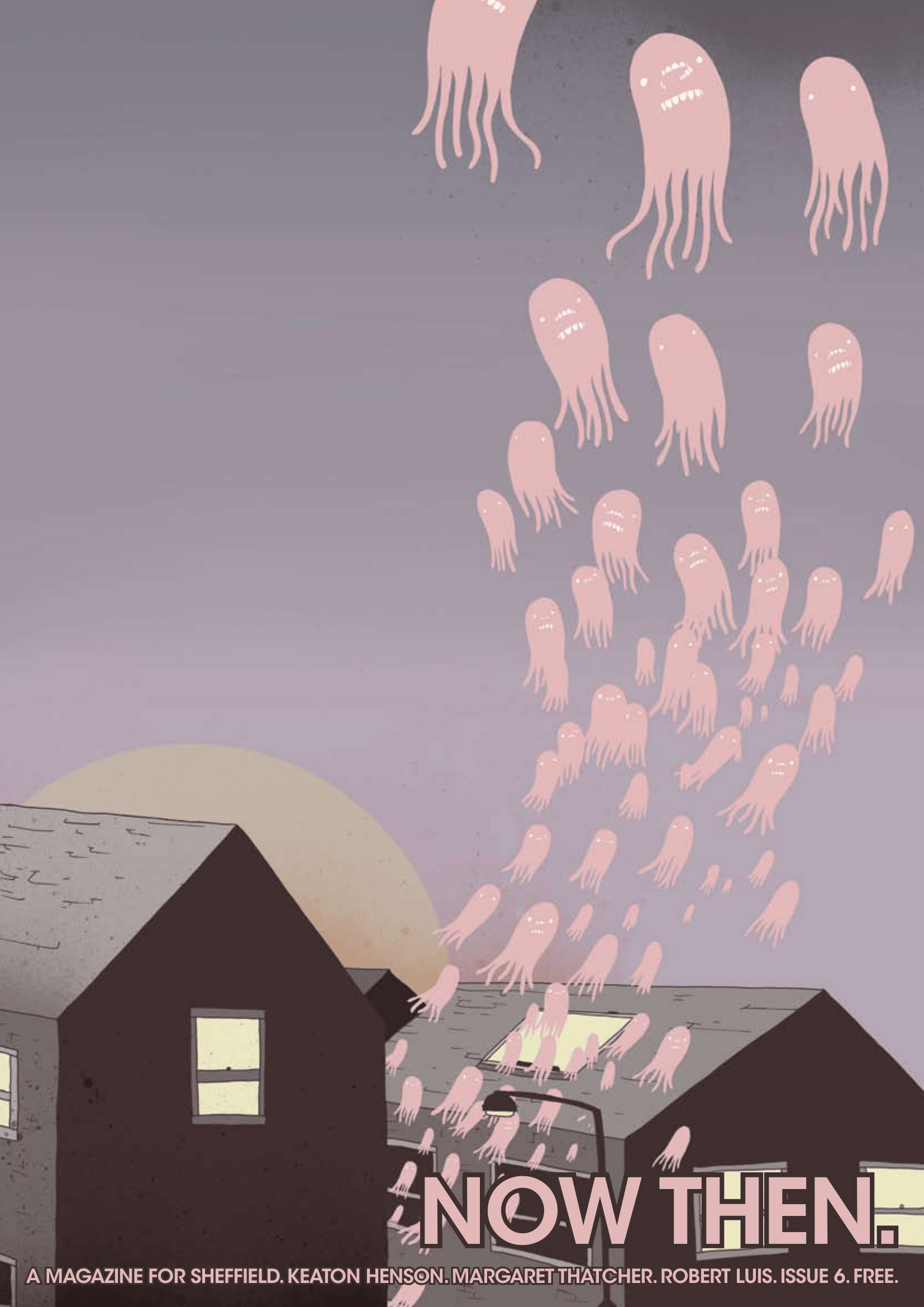
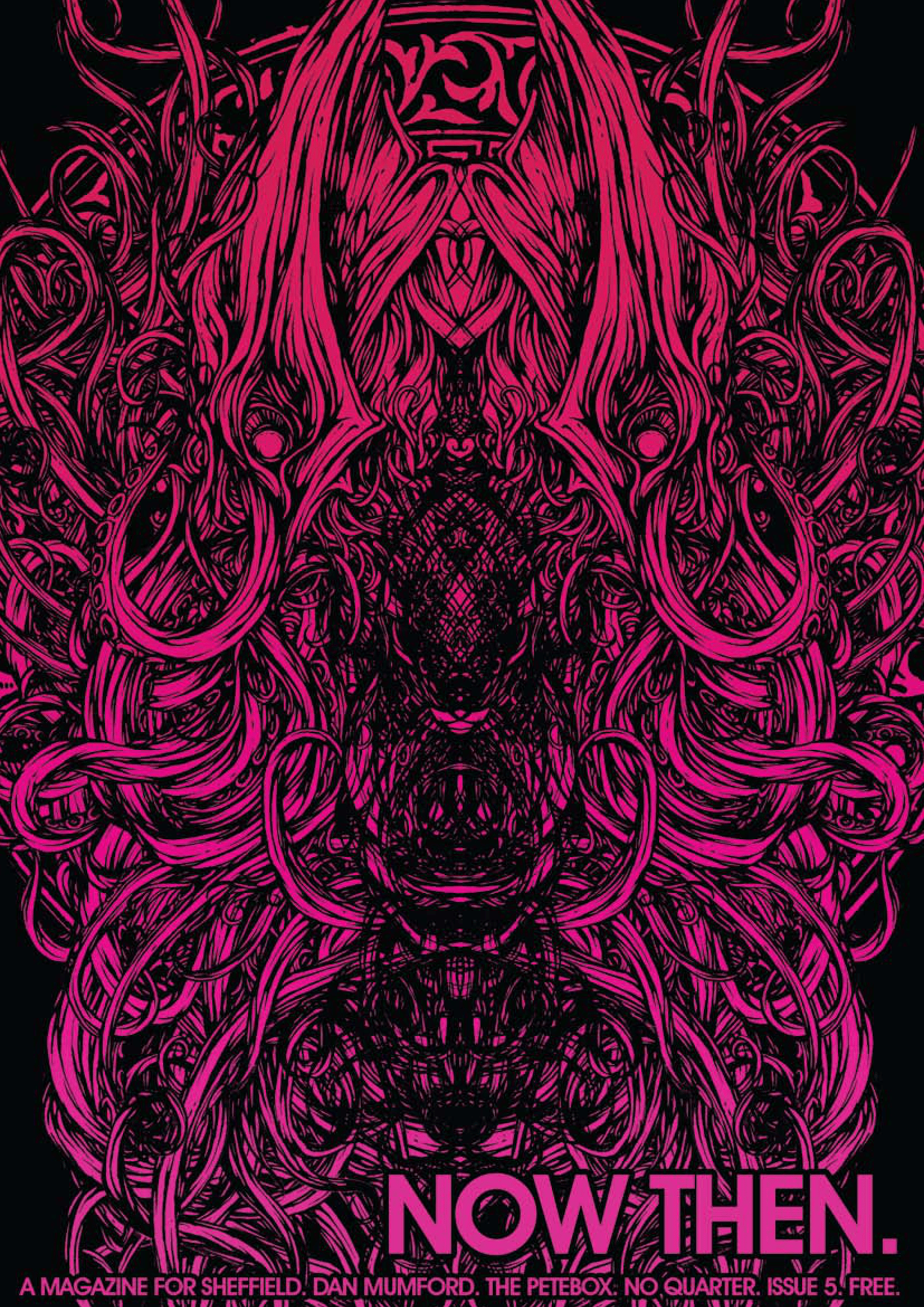
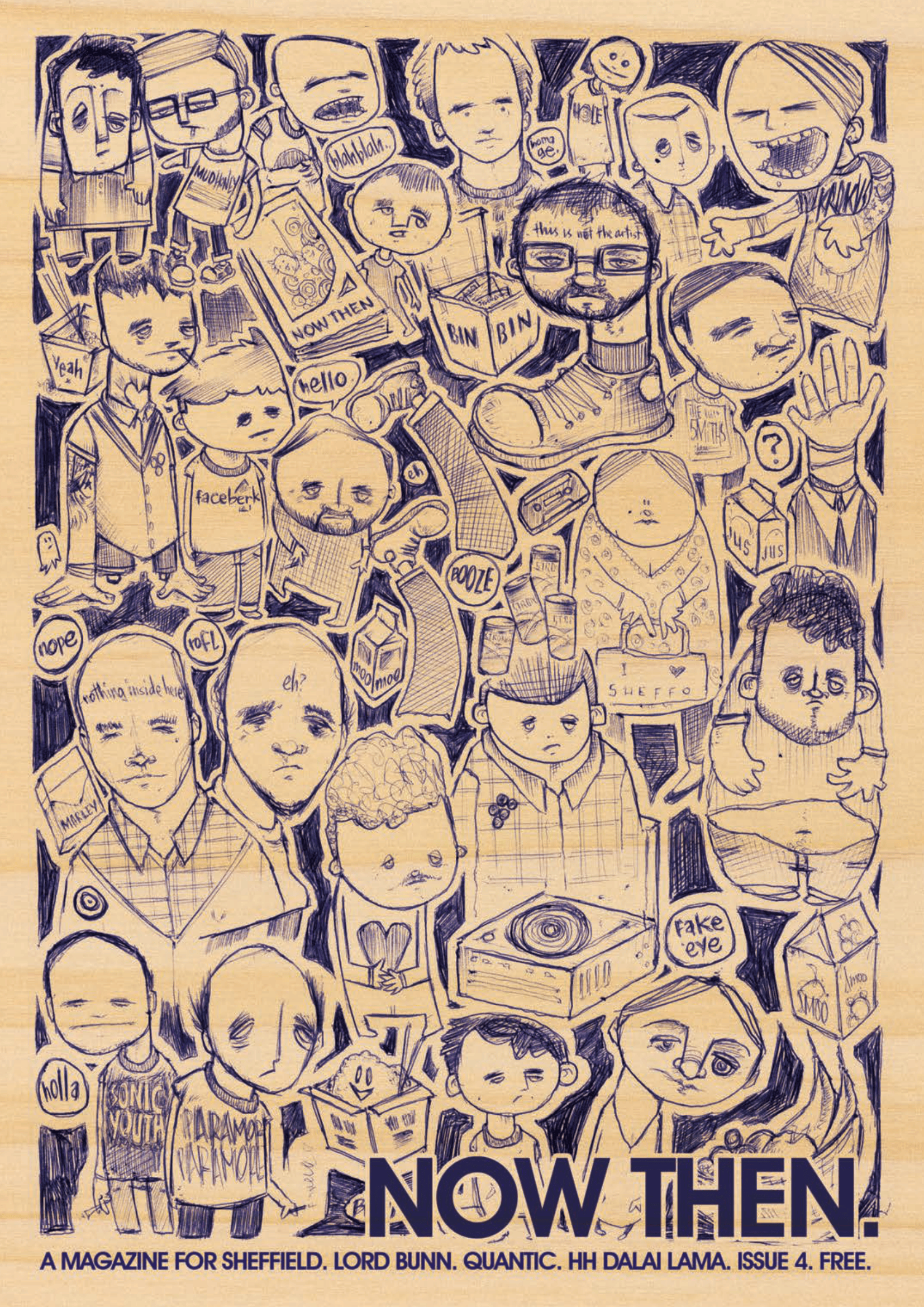
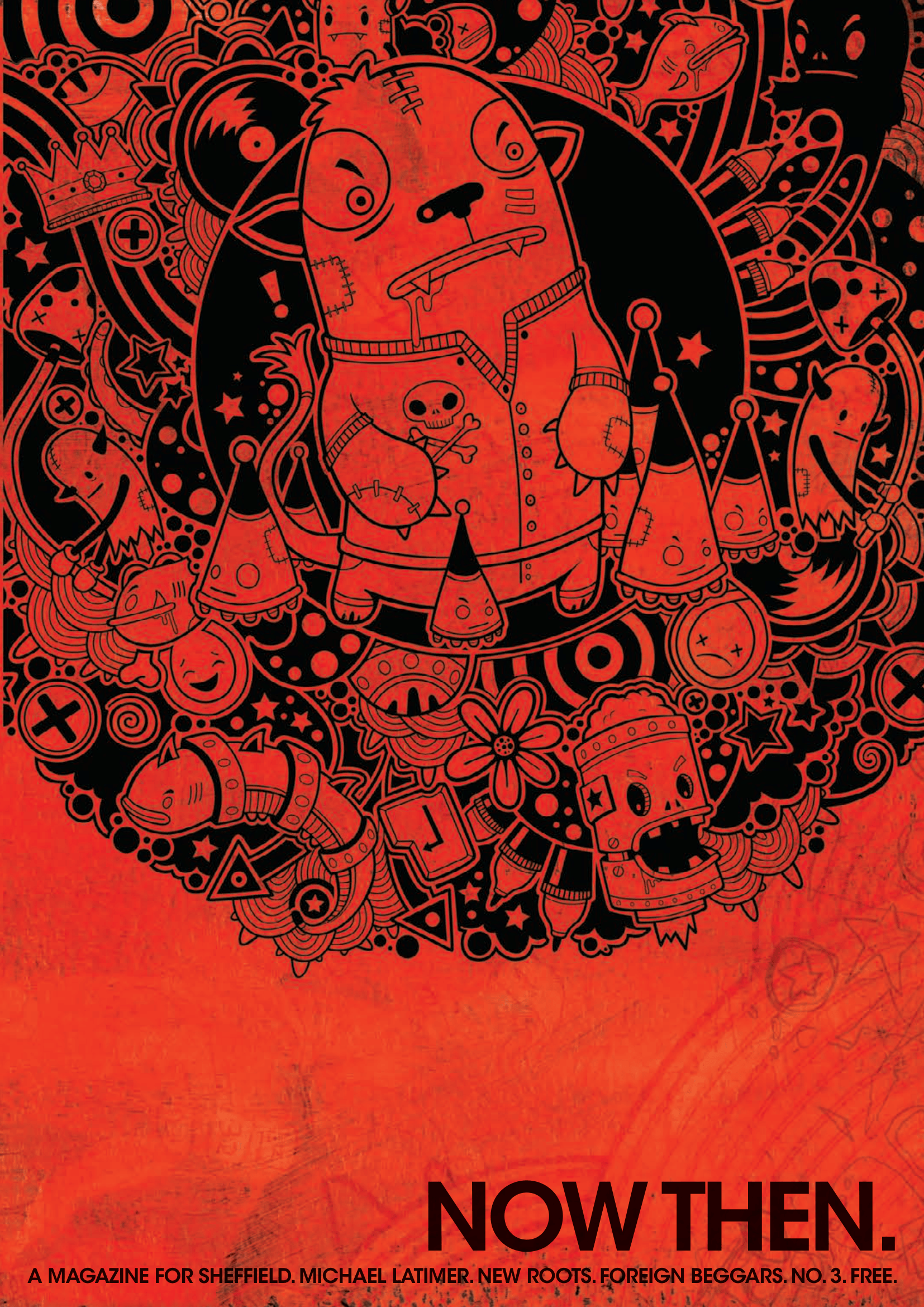
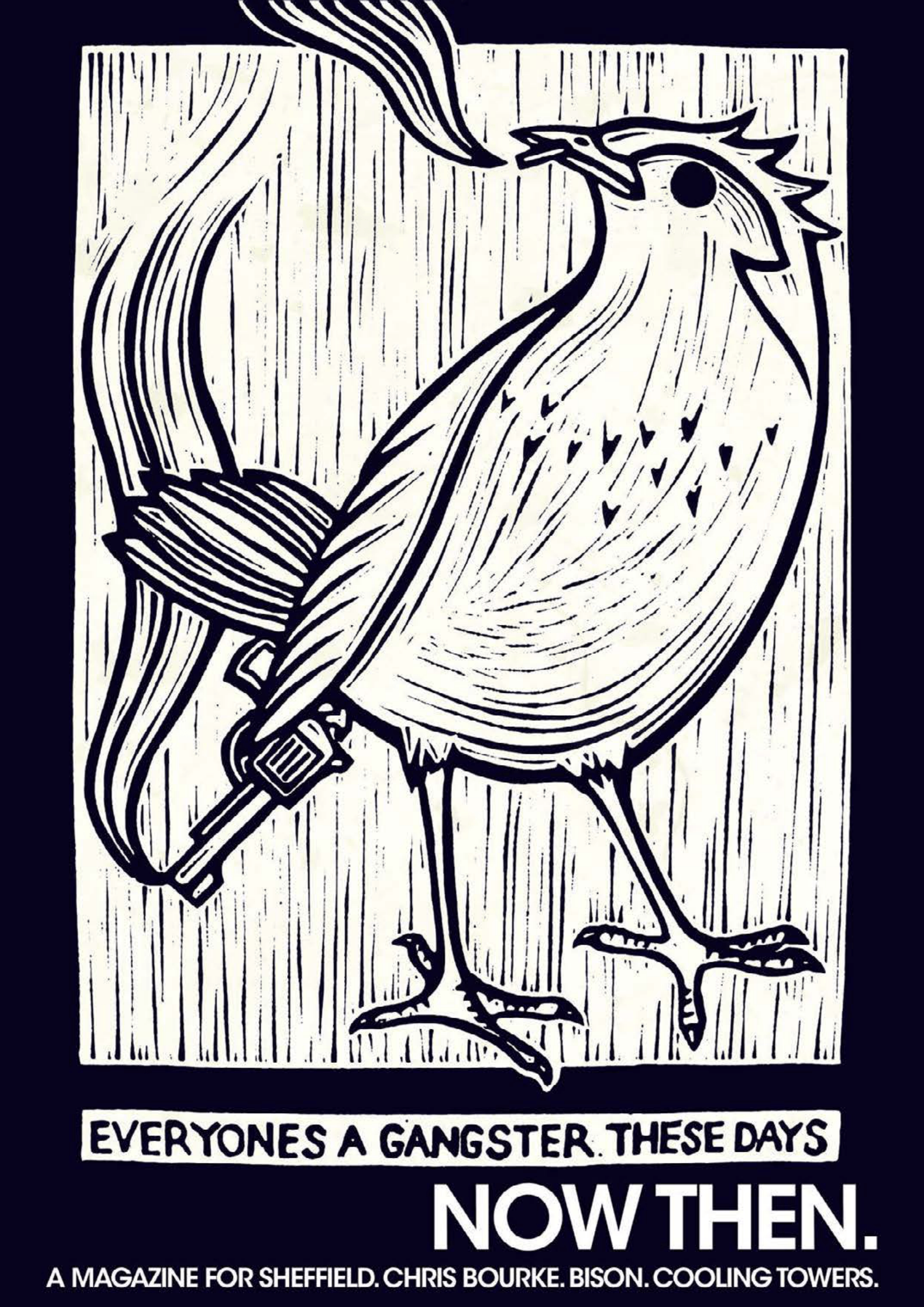
Sam: It was a very punky aesthetic. The first few issues, purely for cost reasons, were black and white. The content was a lot of music, activism and local initiatives. People doing interesting, innovative stuff in the city that maybe wasn't getting the attention it deserved. Some ranty political stuff, some great comedy – funny writing of all different kinds
We had a film section quite early on. Sometimes there were things that were national or international, but were written by somebody in Sheffield – there was a link, but that didn't always come out. Also we had an interest in inequality in the city and different experiences of what it's like to live here. Politically, nationally, this was the start of austerity.
Looking back, that was a really big national political framing for a lot of what we were doing: things like The Big Society, a ‘one-nation conservative’ view of a small state, because ‘everybody can just do stuff for free’. There was this feeling of being under siege – feeling under threat, under-recognised and undervalued. Maybe not so much on a neighbourhood level, but at a city or a national level.
These are the things that are important, that give a place character, uniqueness, connection, a sense of shared purpose and a kind of collectivity. There was a feeling that on a national level that was being very intentionally, very politically, suffocated. The narrative became: things like arts and culture are optional extras that we can just cut.
Sara: There was a lot more music content in the early issues than we had in later issues, and that's probably reflective of the people who were involved in the magazine at the time and the fact that we were doing a lot more music events as Opus as well. But it was kind of a hodgepodge, really, because in the early days, obviously we weren't established. We didn't have people emailing us every week saying, ‘Can I please write for the magazine?’ There are some issues where we were just like, oh god, we actually don't have enough writers to fill this, so does somebody want to just write something else and we'll put it out under a pseudonym?! And we'll make it look like we've got more people writing for us for this issue, and we haven't got one person writing three articles!
When you're just starting out and you don't exactly have people knocking down the door to say, ‘I want to write this really intense article about this political issue’, you just have to make it up as you go along. I feel like one of the first full-length articles I wrote for Now Then was something about political economy, which will probably not surprise anyone who knows me!
In part two, we’ll look at how Now Then evolved over its initial twelve-year print run from 2008 to 2020.