

News & updates
Welcome to our blog
Find out what we’ve been working on, how you can get involved, and more.

Our pledge to support and champion trans, non-binary and gender nonconforming people
At Opus, we recently joined dozens of organisations across the city by pledging to provide a safe space for trans, non-binary and gender nonconforming people as part of a campaign led by Safe Space Sheffield.
Wellbeing at Opus: building an ecosystem of care in a systems change organisation
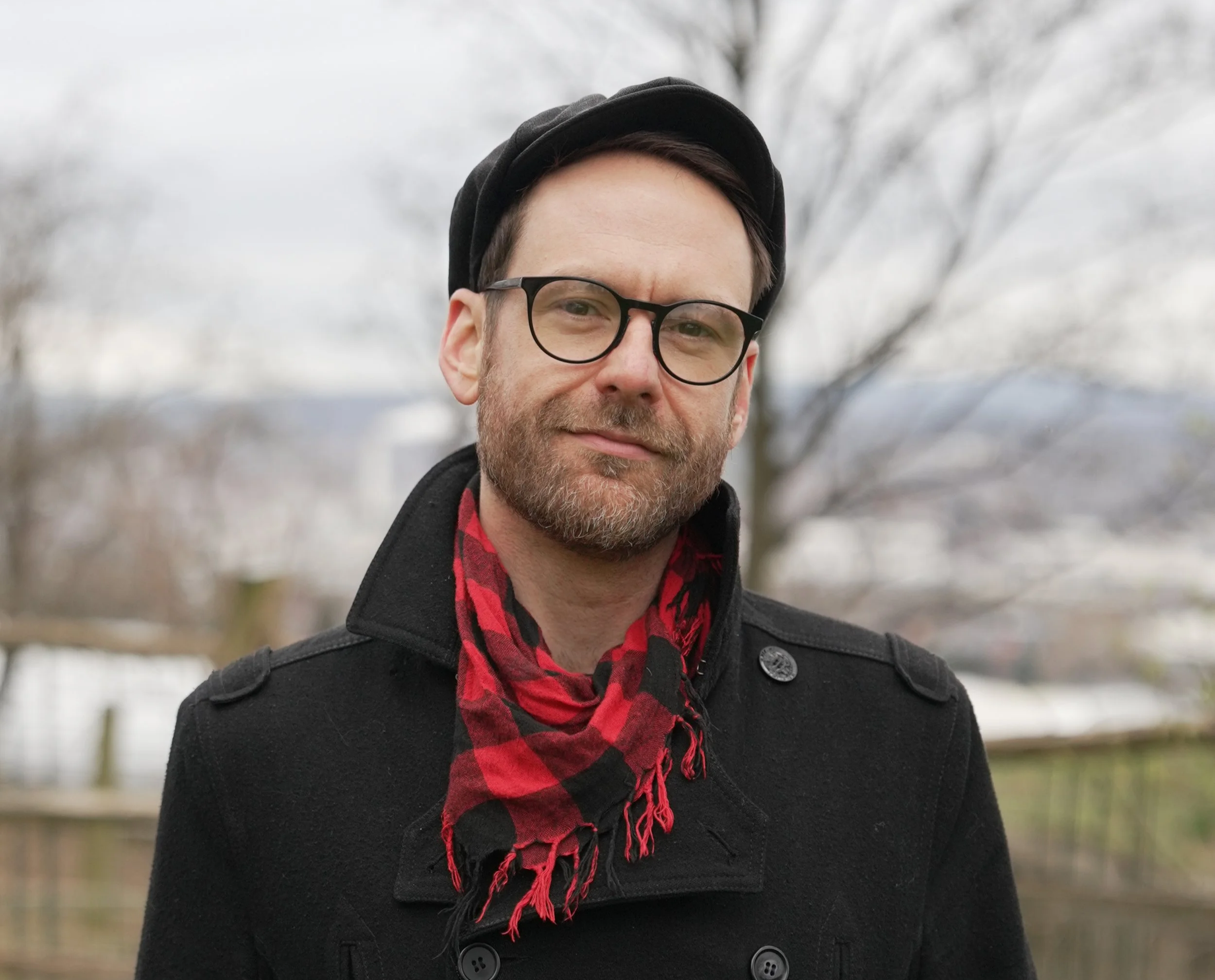
Organisations in the business of radical change necessarily come into contact with harmful systems every day – whether that’s neoliberalism, patriarchy, deep-rooted racism, or a combination of all three. Those doing work that intervenes in these areas and seeks to overturn the status quo are therefore particularly susceptible to harm from those very systems. Wellbeing isn’t an optional extra at an organisation like Opus – it’s a core part of the work.
Why we’re moving our website away from Wix: the challenge facing systems change organisations
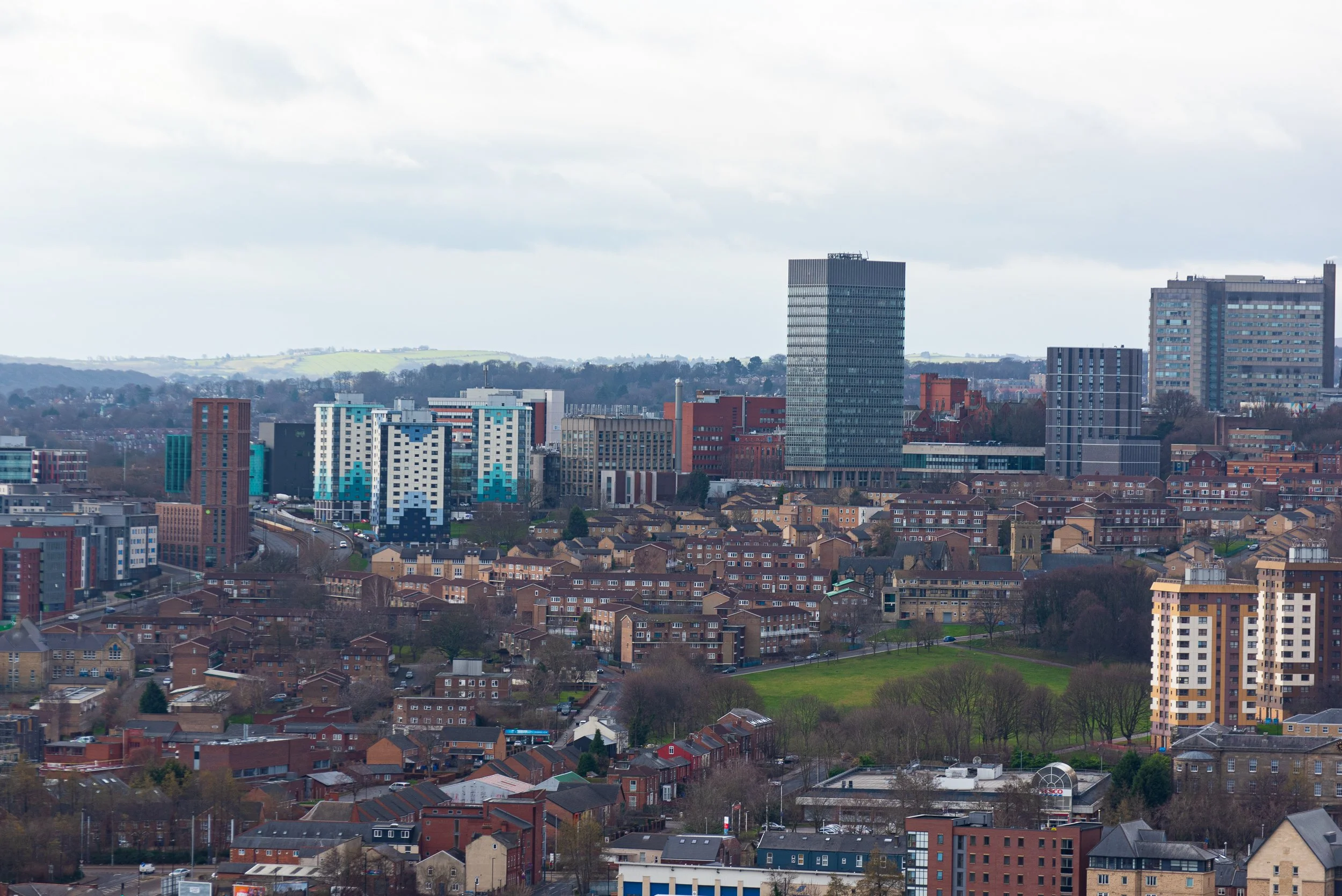
Here at Opus, we recently spent a fair whack of money and a not inconsiderable amount of staff time to migrate our website from one provider to another, with an end result that (hopefully) appears indistinguishable. Why?
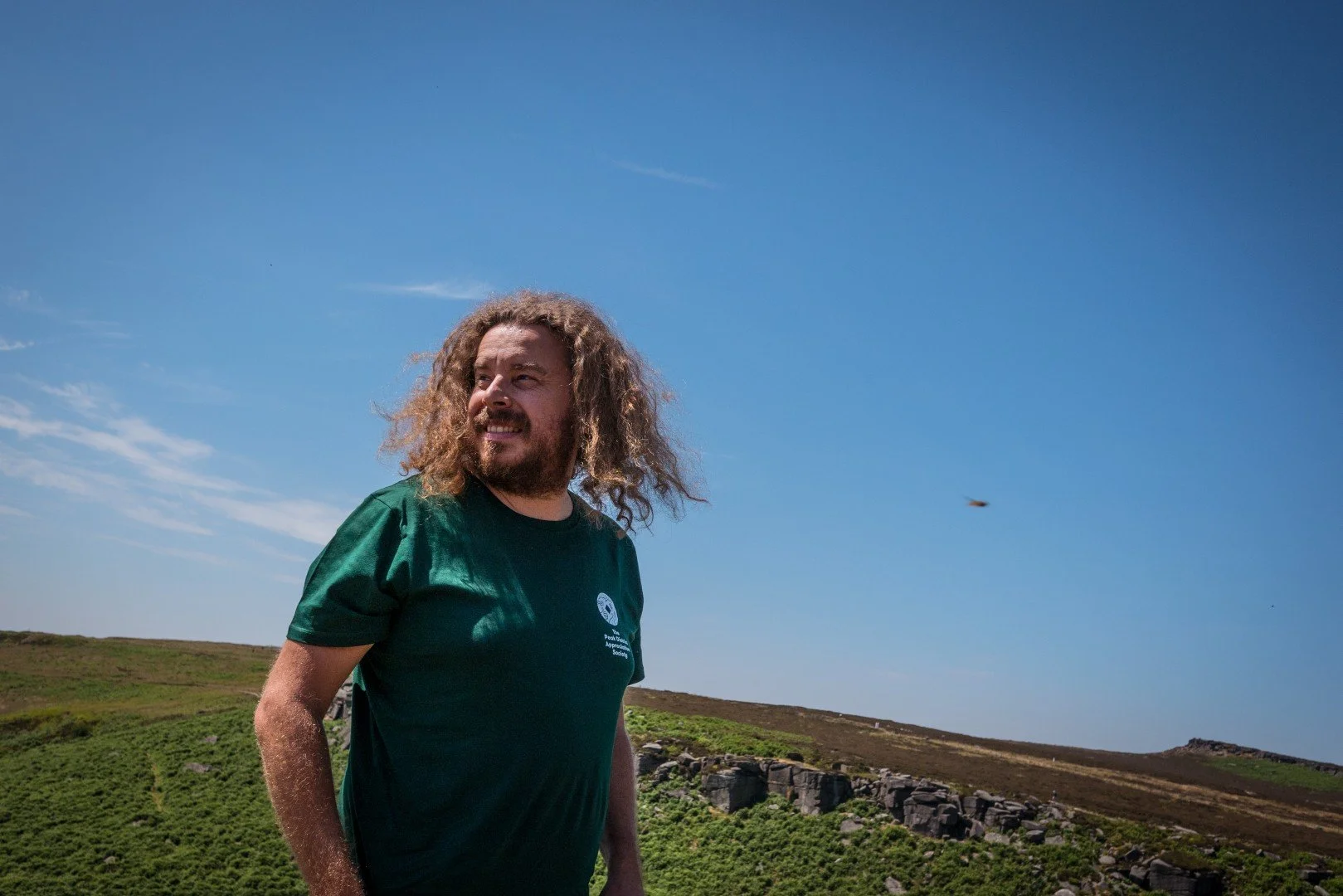
What mushrooms tell us about the fragility of our economy – and what we need to do to transform it
As conversations around social value and systems change become more common, it still feels difficult to describe what actually enables communities and places to flourish over time. In this essay, Terry Murphy of the Sheffield Social Enterprise Network explores what forests, fungi and mycelial networks might teach us about economies, institutions and the hidden relational infrastructure that sits beneath visible social and economic life.

Reflections from the People’s Newsroom: Steel City Stories
Opus project the People’s Newsroom Initiative have recently wrapped up a pilot series of workshops entitled Steel City Stories, which brought together 14-18 year olds to explore different modes of storytelling, including filmmaking, poetry, storywriting and archiving. We asked Debs Grayson and Tchiyiwe Chihana to share some reflections with us on what they have learned through the process, and what the future of the project could be.
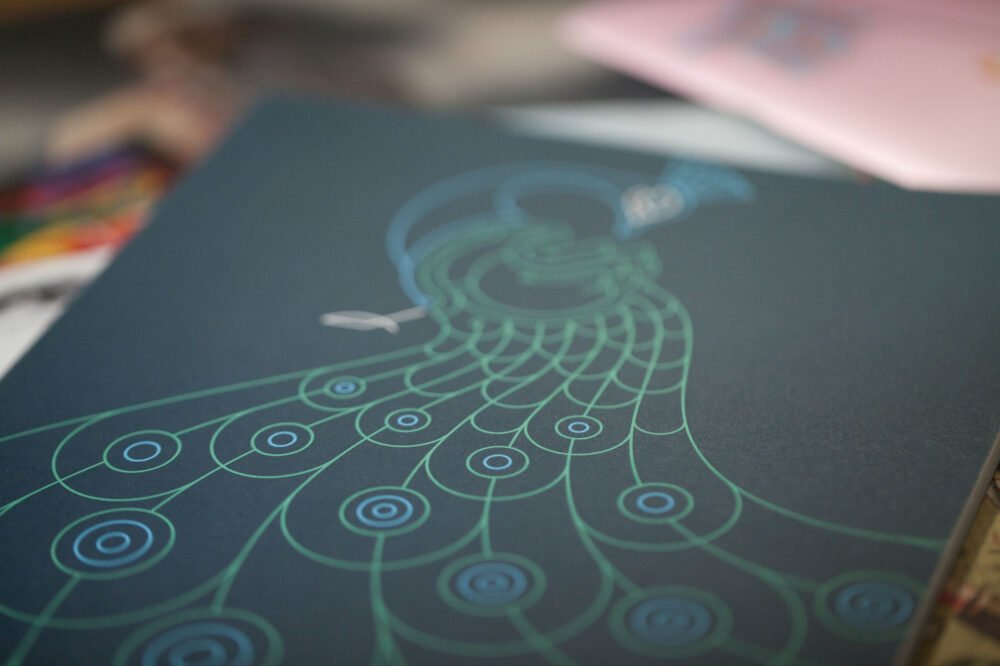
A history of Now Then since 2008, part three: a return to print
Our Sheffield-based community media platform, Now Then, recently announced long-awaited plans to return to print later this year. Here on the Opus Blog, we thought we’d look back at the history of the magazine with two of the people who were there from the start (or near enough): magazine editor-in-chief Sam Walby and long-time Opus director and writer Sara Hill.
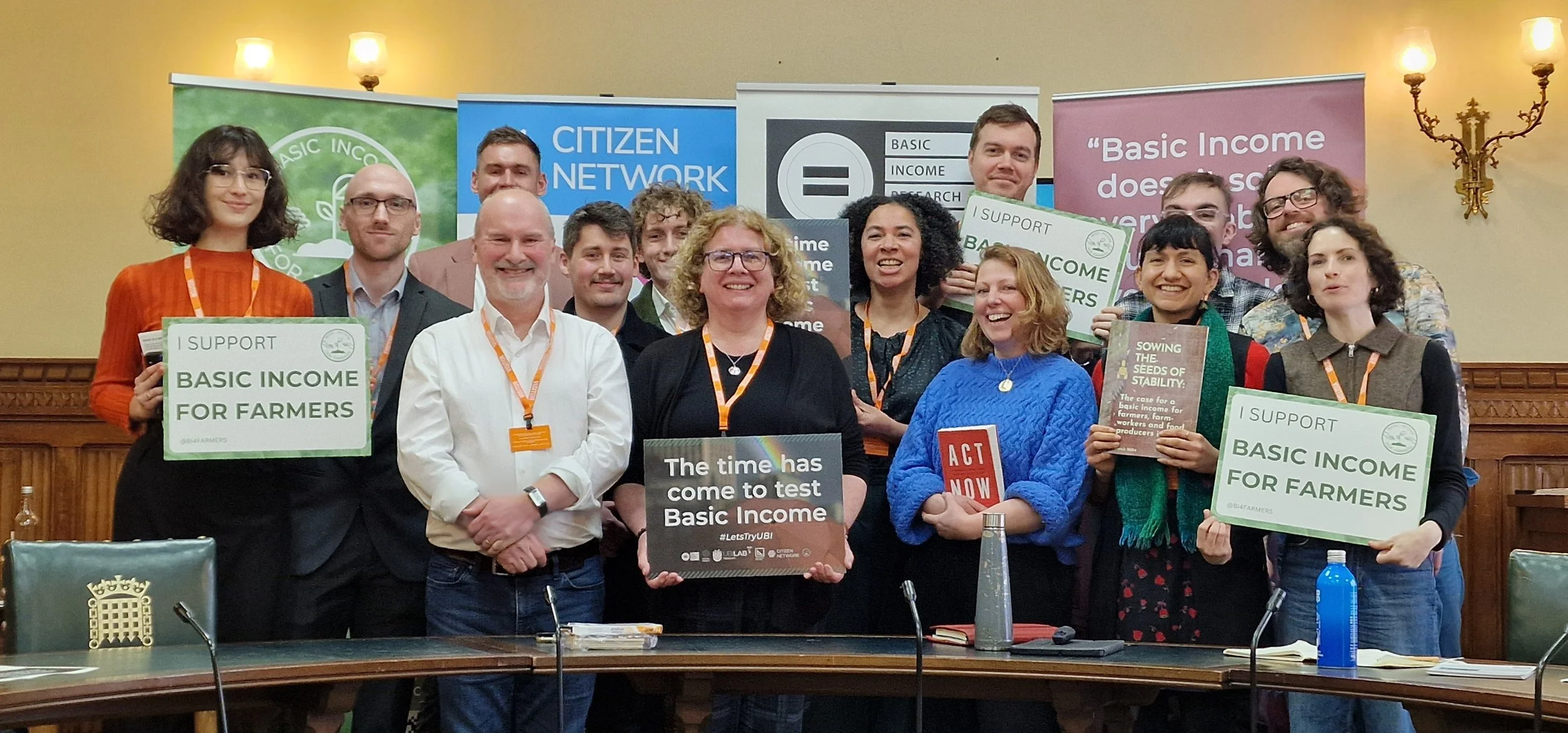
What next for the UBI Lab Network?
As our Basic Income campaign nears its ten-year anniversary, we look at what the future holds for a project turbocharged by the pandemic.
How can Opus approach AI wisely and with intent? Some ideas (and an invitation)
Late last year here at Opus, we came to the conclusion that we need to open up an intentional space for co-learning around AI technologies and what they mean for a system change organisation like us.
What we've been learning from: March 2026
Here's our regular round-up of some of the most interesting and thought-provoking things our team have been reading, watching and listening to over the past month.
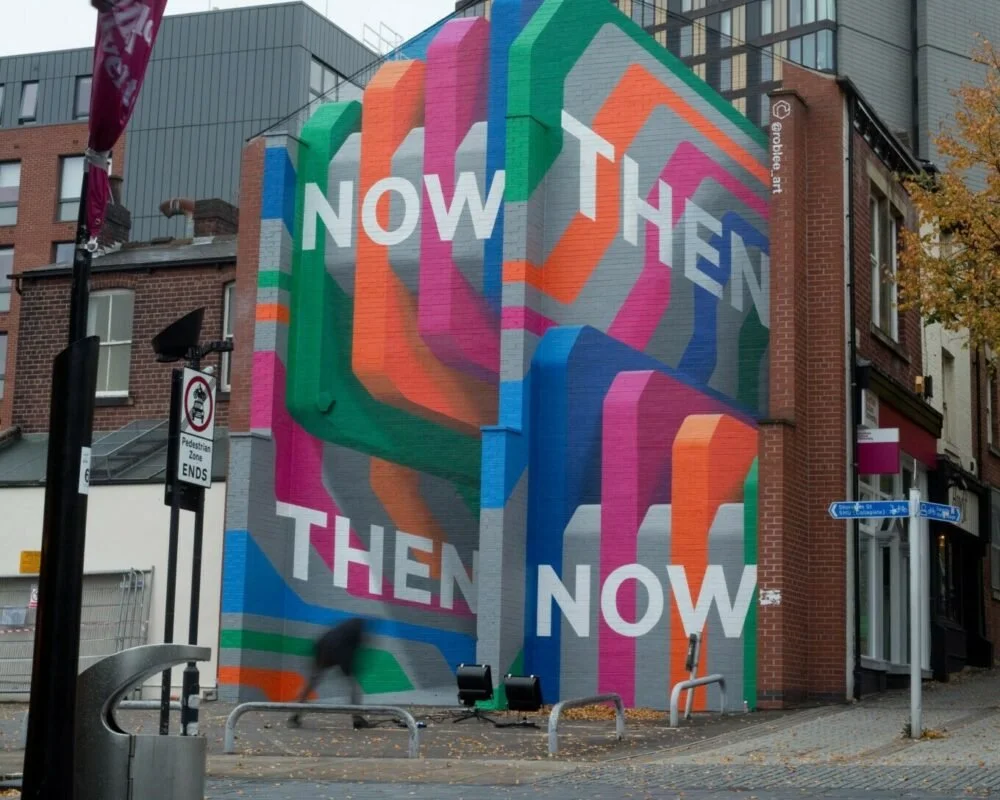
A history of Now Then since 2008, part two: A home for Sheffield’s independents
Our Sheffield-based community media platform, Now Then, recently announced long-awaited plans to return to print later this year. Here on the Opus Blog, we thought we’d look back at the history of the magazine with two of the people who were there from the start (or near enough): magazine editor-in-chief Sam Walby and long-time Opus director and writer Sara Hill.
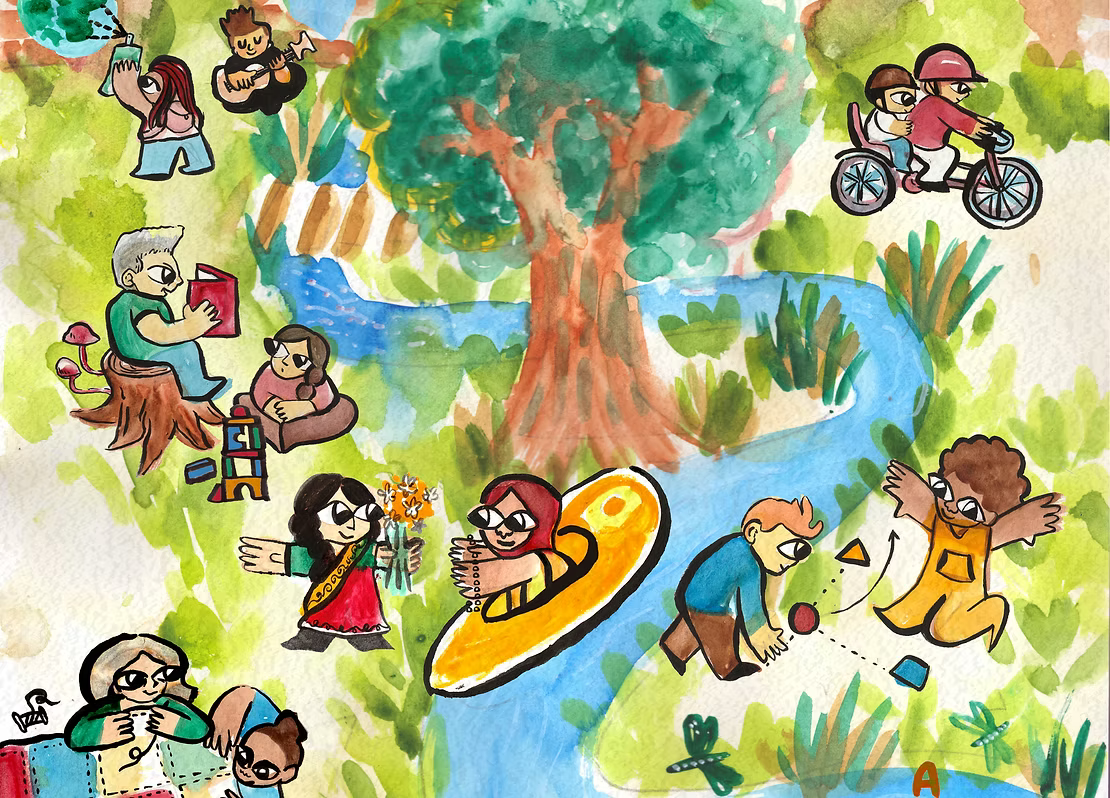
Illustrating the Story Commons lesson cards
When the People’s Newsroom were planning the Story Commons series, we knew we wanted accompanying visuals that could help express some of the parts of this work that are hard to put into words. Charlotte Bailey was part of the cohort who helped us develop the lessons, and also worked with us to illustrate the series. She describes her process and some stories behind the illustration below.
A history of Now Then since 2008, part one: creating a magazine for Sheffield
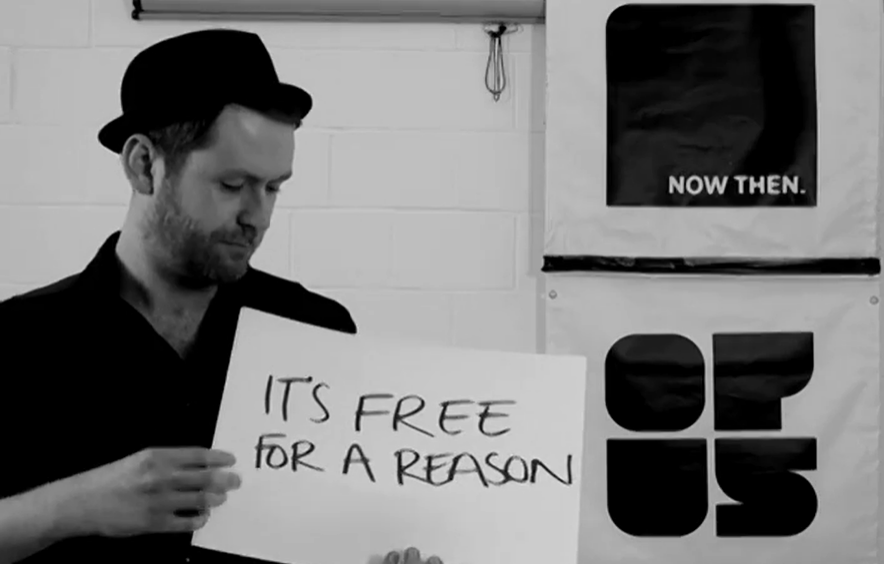
Our Sheffield-based community media platform, Now Then, recently announced long-awaited plans to return to print later this year. Here on the Opus Blog, we thought we’d look back at the history of the magazine with two of the people who were there from the start (or near enough): magazine editor-in-chief Sam Walby and long-time Opus director and writer Sara Hill.
What I've learned from two weeks working at Now Then
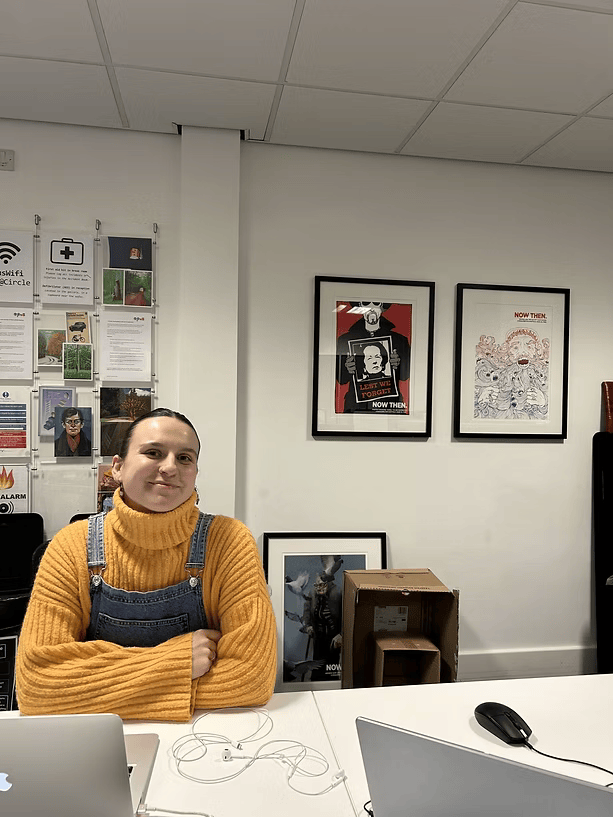
I've spent the last two weeks with Now Then Magazine and have loved being a part of their team, getting out and about reporting in Sheffield.
What we've been learning from: February 2026
Here's our regular round-up of some of the most interesting and thought-provoking things our team have been reading, watching and listening to over the past month.
Lessons for a Story Commons: how storytelling can open the door to thriving futures
For the past two years here at the People’s Newsroom, we’ve been exploring how changing the way we tell stories can be key to changing the future itself. This work is centred on the belief that collective storytelling, and the connection it facilitates, is essential to the transformational changes our societies need.
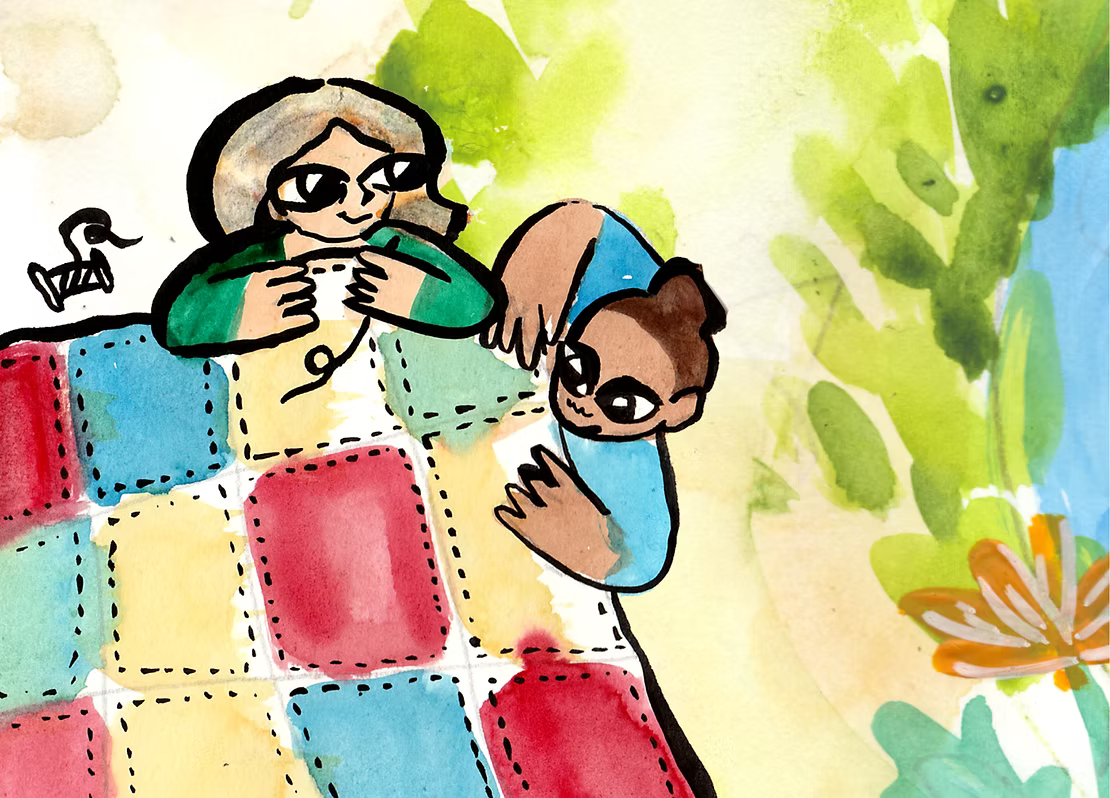
In a story commons, we collaborate to regenerate
The work of the People’s Newsroom centres on the hope that we can imagine, develop and steward a Story Commons which will help us tell deeper, more systemic and ultimately more valuable stories. These stories would reflect and enable our essential interconnectedness and our innate need for connection, solidarity and collective action.
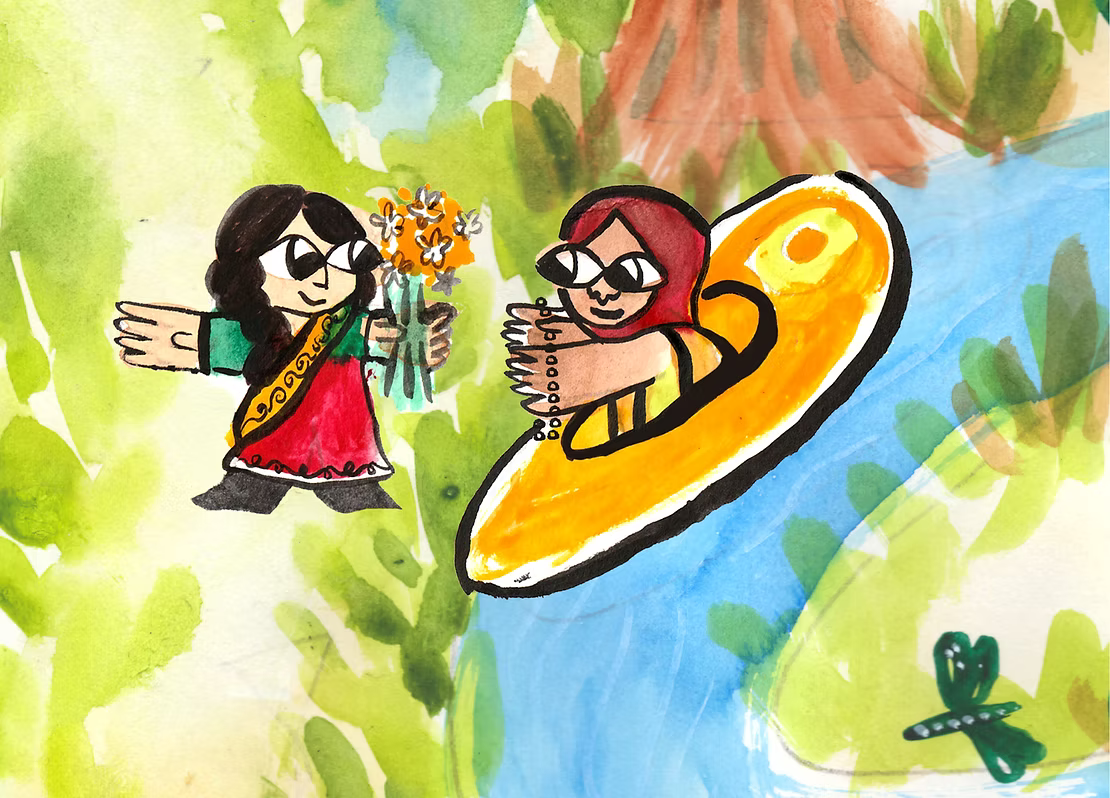
In a story commons, we envision new economies
What could a different relationship between storytelling and economics look like?
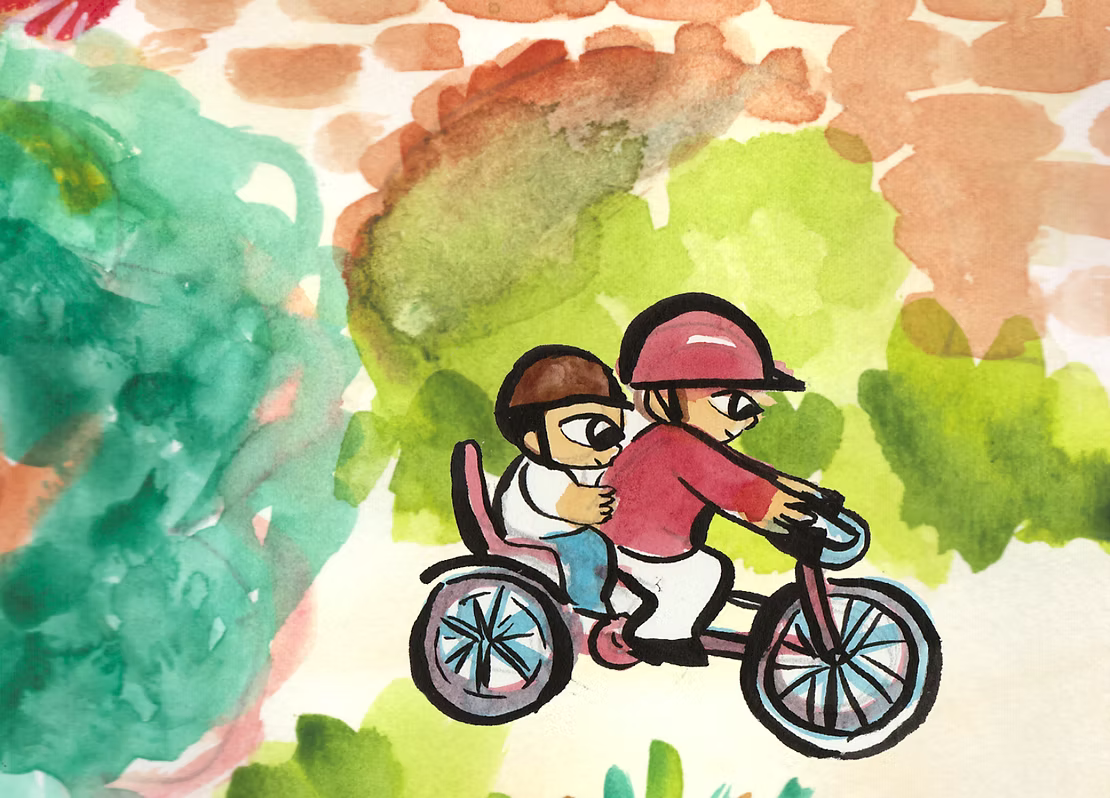
In a story commons, we reimagine accountability and care
Accountability is a discipline. It is not a fixed destination.
Photo credit: John Slater