

News & updates
Welcome to our blog
Find out what we’ve been working on, how you can get involved, and more.

Reflections from the People’s Newsroom: Steel City Stories
Opus project the People’s Newsroom Initiative have recently wrapped up a pilot series of workshops entitled Steel City Stories, which brought together 14-18 year olds to explore different modes of storytelling, including filmmaking, poetry, storywriting and archiving. We asked Debs Grayson and Tchiyiwe Chihana to share some reflections with us on what they have learned through the process, and what the future of the project could be.
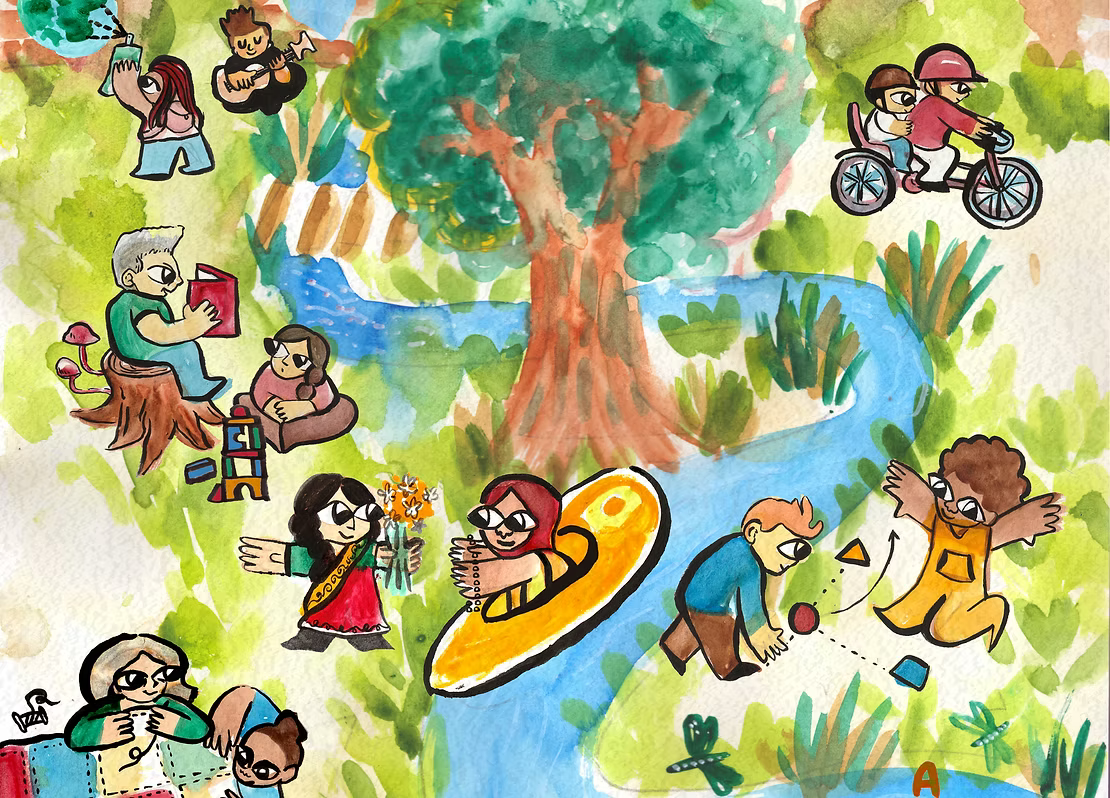
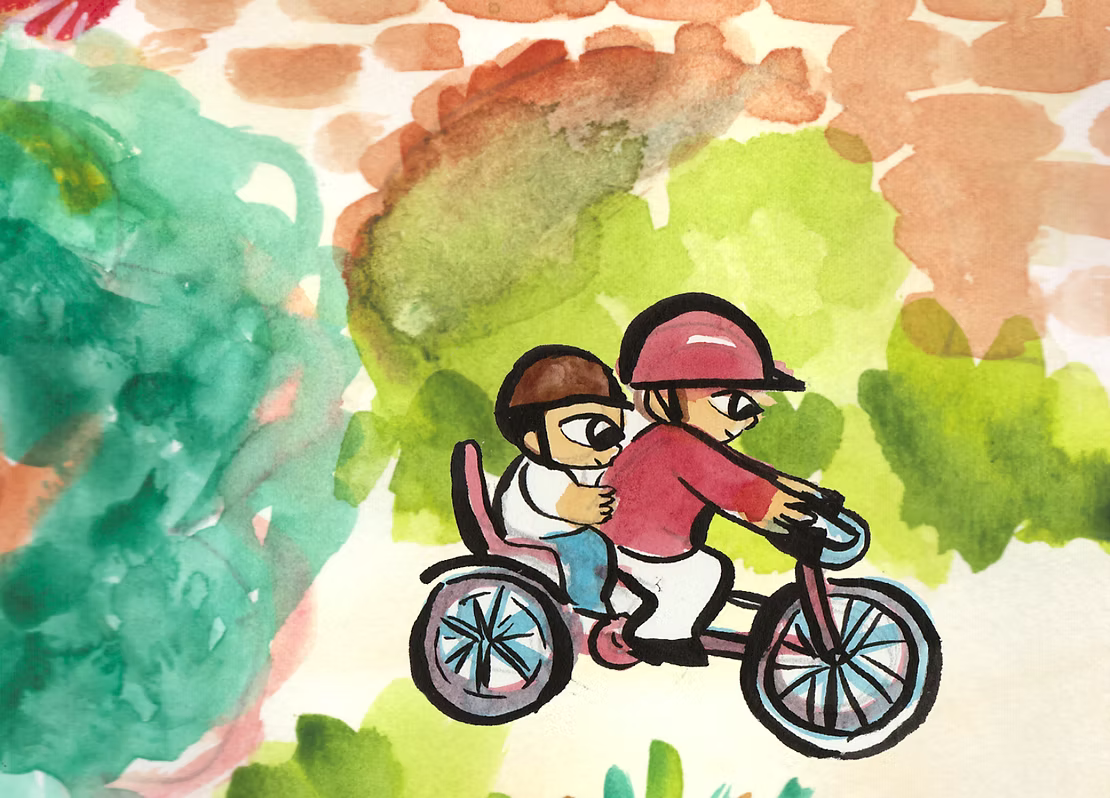
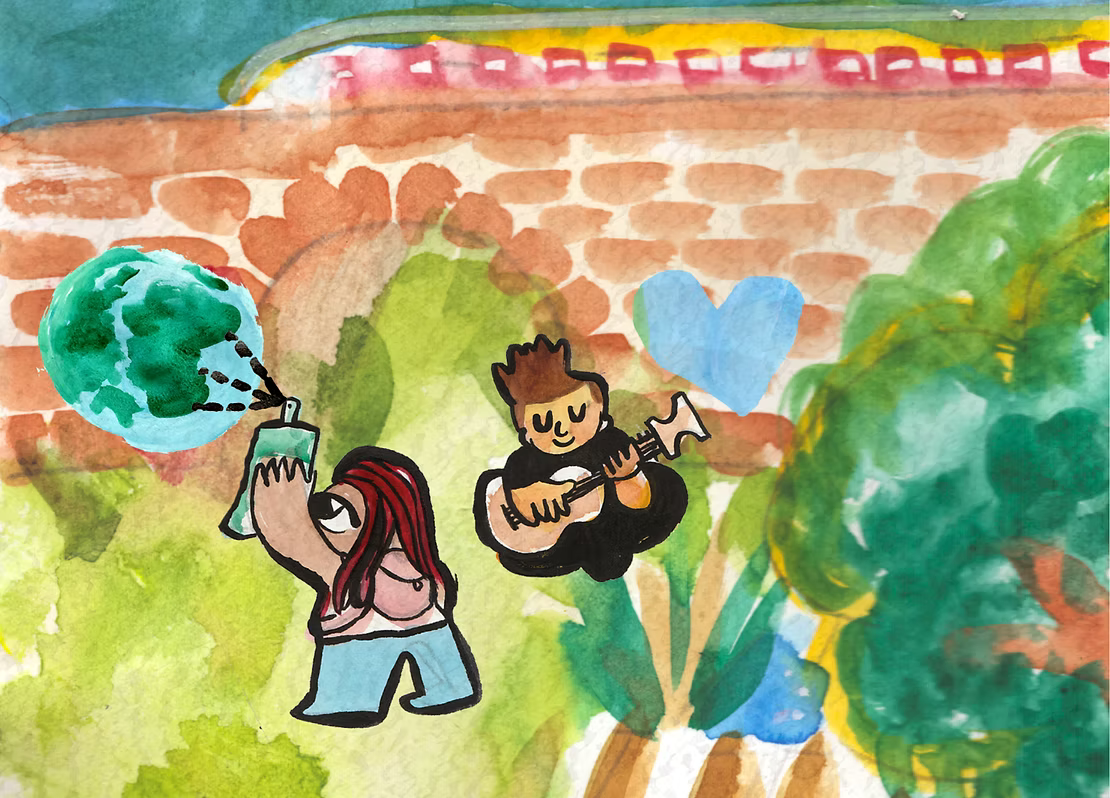
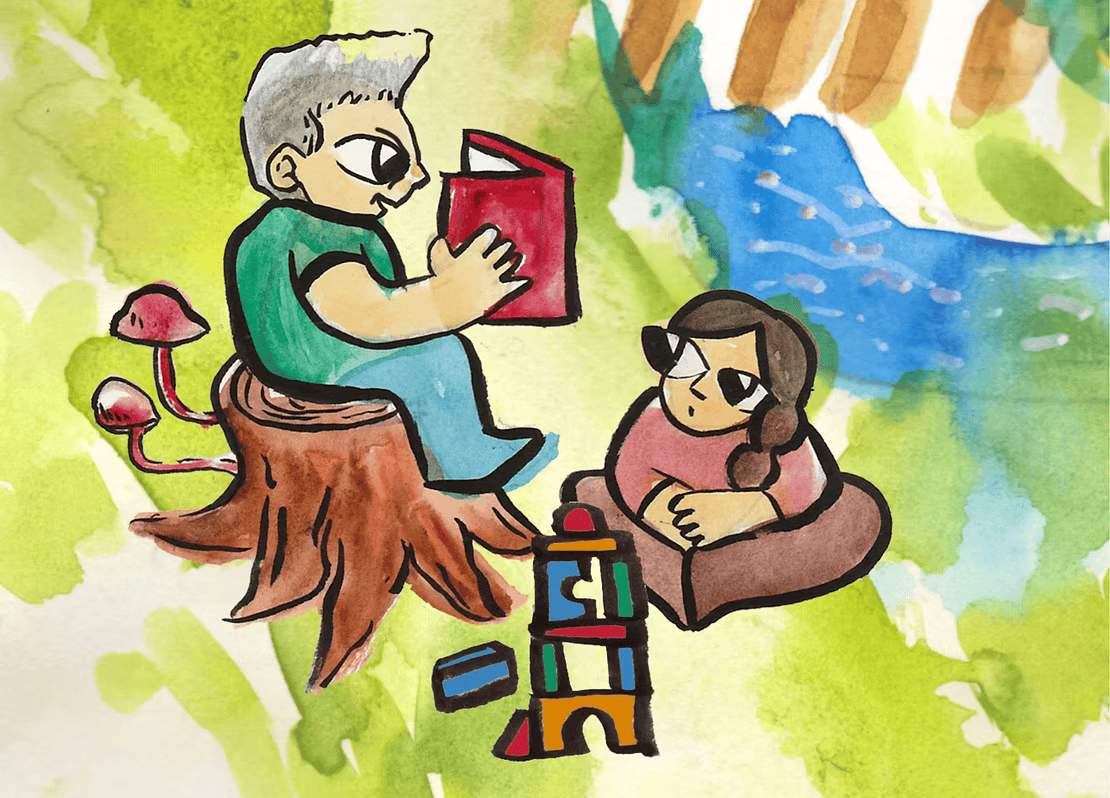
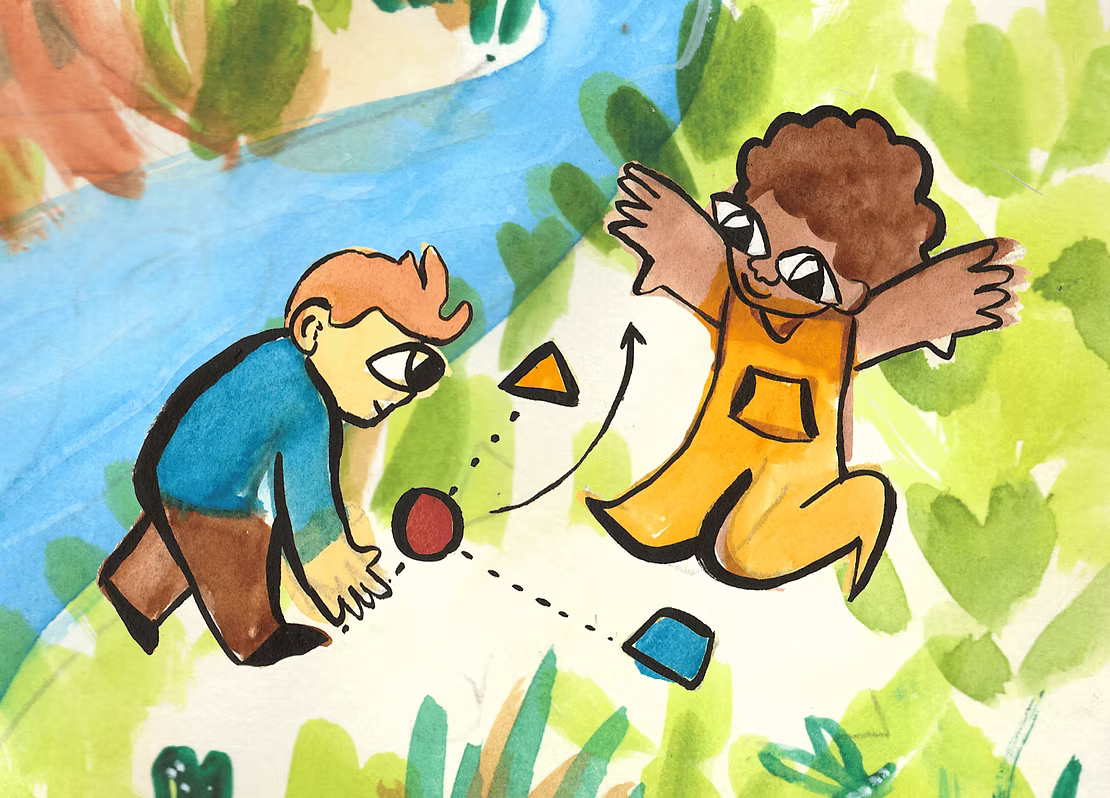
Illustrating the Story Commons lesson cards
When the People’s Newsroom were planning the Story Commons series, we knew we wanted accompanying visuals that could help express some of the parts of this work that are hard to put into words. Charlotte Bailey was part of the cohort who helped us develop the lessons, and also worked with us to illustrate the series. She describes her process and some stories behind the illustration below.
Lessons for a Story Commons: how storytelling can open the door to thriving futures
For the past two years here at the People’s Newsroom, we’ve been exploring how changing the way we tell stories can be key to changing the future itself. This work is centred on the belief that collective storytelling, and the connection it facilitates, is essential to the transformational changes our societies need.
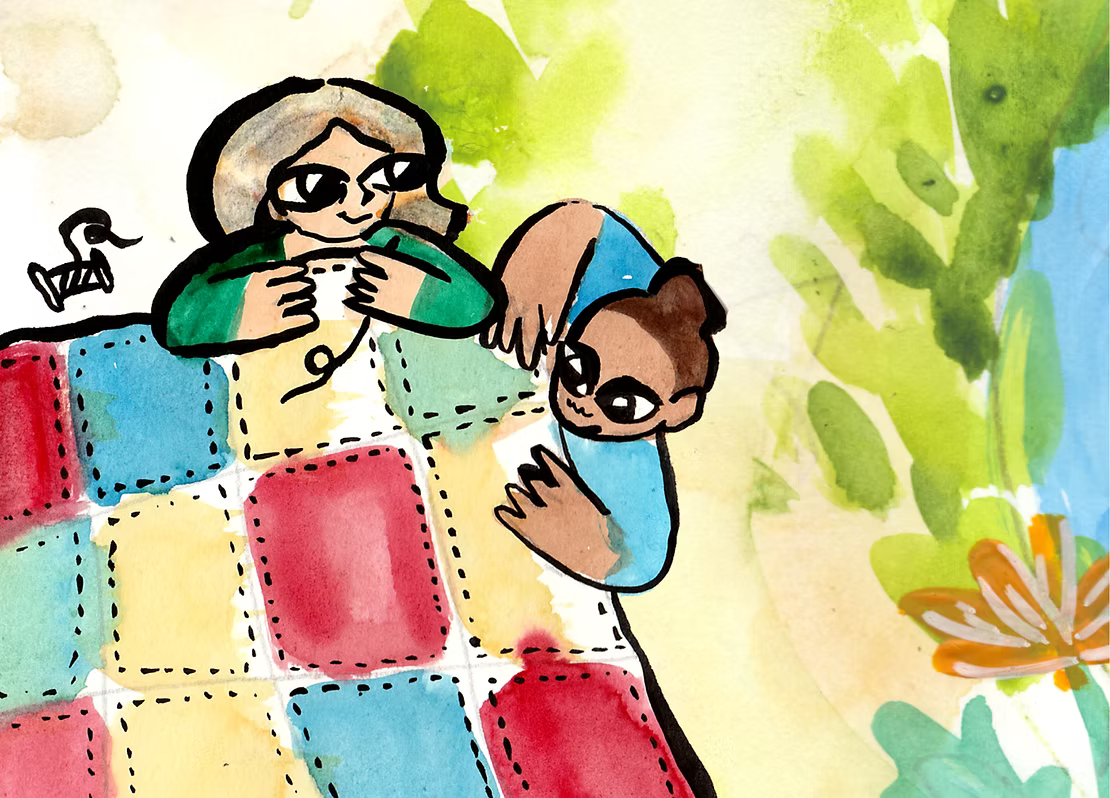
In a story commons, we collaborate to regenerate
The work of the People’s Newsroom centres on the hope that we can imagine, develop and steward a Story Commons which will help us tell deeper, more systemic and ultimately more valuable stories. These stories would reflect and enable our essential interconnectedness and our innate need for connection, solidarity and collective action.
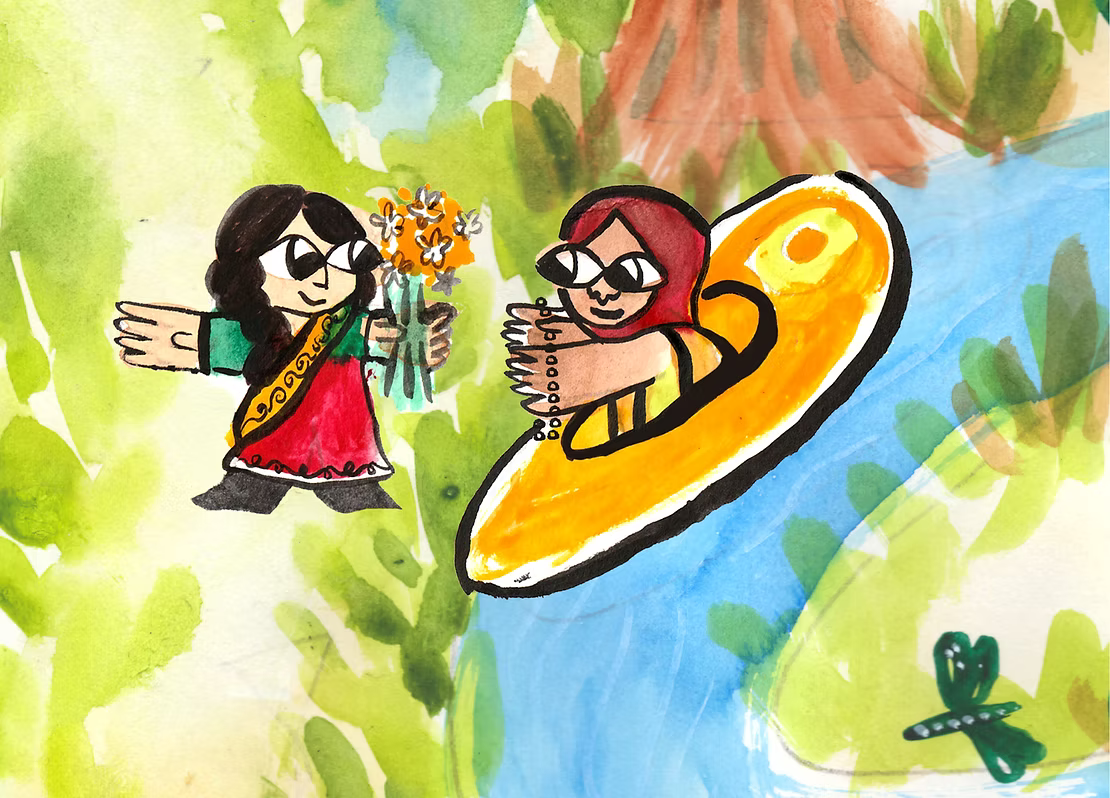
In a story commons, we envision new economies
What could a different relationship between storytelling and economics look like?
In a story commons, we reimagine accountability and care
Accountability is a discipline. It is not a fixed destination.
In a story commons, we inspire creativity
The stories we tell about the world are not separate from culture – they both shape and are our culture.
This may seem self-evident but this truth is not systematically acknowledged within some of our most influential storytelling spaces: newsrooms.
In a story commons, we explore what was, what is and what could be
The People’s Newsroom has been exploring how storytelling can support transitions away from extractive economies and towards regenerative and life-giving ones. A theme that came up in our learning together was the importance of stories about emerging futures being located in specific places, histories and communities.
In a story commons, the process is the purpose
As individuals, communities or organisations, we are constantly assigning – or perhaps more often, assigned – value. We are weighed and measured every second, every hour, every day, in almost all our interactions.
Photo credit: John Slater